

In the rapidly evolving digital landscape, the efficiency of a company’s internal communication and data management systems often dictates its ability to scale.
While many business owners focus on high-level software and cloud applications, the physical infrastructure that supports these tools is frequently overlooked.
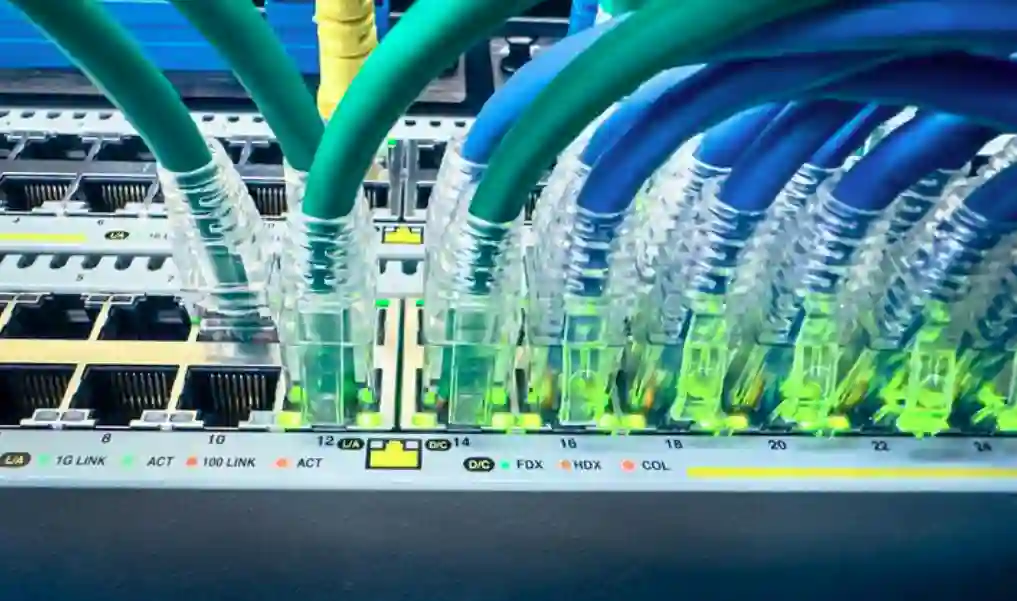
A robust and well-organized system of network cabling serves as the central nervous system of an enterprise, facilitating the seamless flow of information between servers, workstations, and external networks.
By investing in high-quality physical connections, a business can reduce latency, minimize downtime, and create a stable platform for future technological integration, ensuring that growth is never hindered by connectivity bottlenecks.
Ensuring High-Speed Data Transmission and Efficiency
The speed at which data moves through an office directly impacts the productivity of the workforce. Modern applications require significant bandwidth to function correctly, and a legacy wiring system can create significant delays.
Implementing updated network cabling allows for the transmission of data at gigabit speeds, enabling employees to access large files and cloud-based resources without frustration.
This increased efficiency means that tasks are completed faster, allowing the organization to handle a higher volume of work and serve more clients without needing to expand the physical headcount immediately.
Minimizing Costly Downtime and Operational Disruptions
For any growing enterprise, time is the most valuable commodity. Poorly installed or outdated wiring is a leading cause of intermittent connectivity issues and total system failures. By prioritizing a professional installation of network cabling, a company significantly reduces the risk of hardware-related outages.
A structured approach to wiring makes it easier to identify and resolve faults, ensuring that the business remains operational even during routine maintenance. Preventing even a few hours of downtime each year can save a company thousands in lost revenue and maintain the morale of the staff.
Facilitating Seamless Scalability and Expansion
Growth inevitably brings the need for more devices, such as additional computers, printers, and specialized hardware. A structured network cabling system is designed with the future in mind, allowing for easy additions without the need for a complete infrastructure overhaul.
This modularity ensures that as the business expands into new office spaces or adds departments, the technical team can quickly integrate new equipment into the existing framework.
Having a scalable physical layer prevents the significant capital expenditure and logistical headaches associated with rewiring a growing facility from scratch.
Enhancing Network Security and Data Integrity
While cybersecurity often focuses on firewalls and encryption, physical security is equally important. Wired connections are inherently more secure than wireless signals, which can be intercepted or interfered with more easily.
High-quality network cabling provides a stable and private path for sensitive data, reducing the risk of unauthorized access from outside the physical building.
Furthermore, properly shielded cables prevent electromagnetic interference, ensuring that data packets reach their destination without corruption. This integrity is vital for businesses that handle confidential client information or complex financial records.
Supporting Advanced Communication and Collaboration Tools
Modern business growth is driven by collaboration, often involving high-definition video conferencing and voice-over-IP phone systems. These technologies are highly sensitive to network fluctuations and require a consistent, high-speed connection to function without lag or jitter.
A dedicated network cabling infrastructure ensures that these communication tools remain crystal clear and reliable.
When a company can hold seamless virtual meetings with global partners or provide excellent phone support to customers, it strengthens its professional reputation and opens up new opportunities for international market expansion.