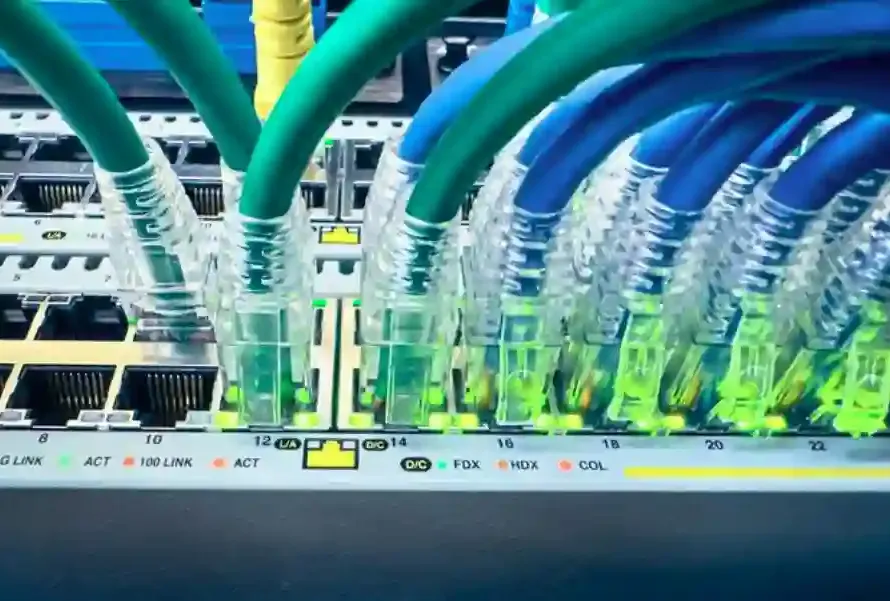


In today’s digital world, businesses depend heavily on data to operate smoothly. From customer information to financial records, everything is stored and managed digitally. Because of this, even a short system failure or power outage can cause serious problems. This is where data center mission critical service plays an important role. It ensures that data remains safe, available, and protected even during unexpected technical issues.
Understanding the Role of Data Center Mission Critical Service
A data center mission critical service is designed to support the most important operations of a data center without interruption. These services are built to handle situations where systems might fail, such as power cuts, hardware breakdowns, or network disruptions. The main goal is to keep data accessible and secure at all times.
Data centers are the backbone of modern businesses. They store large amounts of sensitive information and run applications that companies rely on daily. Without proper protection, even a minor issue can lead to data loss or downtime. Mission critical services ensure that these risks are minimized through strong planning and advanced technology.
Protection Against Power Failures
One of the biggest threats to data centers is power failure. Electricity is essential for running servers, cooling systems, and networking equipment. A sudden outage can shut down operations instantly and may even damage hardware.
To prevent this, data center mission critical service uses backup power systems such as uninterruptible power supplies (UPS) and generators. The UPS provides instant power when the main supply fails, while generators take over for longer outages. This smooth transition ensures that there is no interruption in service, keeping data safe and systems running without delay.
Handling System and Hardware Issues
Apart from power problems, system failures and hardware issues are also common risks in data centers. Servers can slow down, crash, or experience technical faults due to heavy workloads or aging equipment.
Mission critical services help manage these problems by using redundant systems. This means that if one server fails, another immediately takes over its work. Regular monitoring is also done to detect problems early before they turn into major failures. This proactive approach reduces downtime and helps maintain smooth performance.
Ensuring Data Safety and Continuous Access
Data safety is one of the top priorities for any business. Losing important information can lead to financial loss and damage to reputation. Data center mission critical service focuses on continuous data backup and real-time replication.
This means that even if one system fails, the data is already stored in another secure location. Employees and customers can still access the information without interruption. This level of protection is essential for businesses that operate 24/7, such as banking, healthcare, and online services.
Conclusion
In a world where data drives business success, protecting it from unexpected failures is extremely important. Data center mission critical service provides the necessary support to ensure that power failures, system issues, and hardware problems do not interrupt operations. By using backup power systems, redundant infrastructure, and continuous monitoring, these services keep data secure and accessible at all times. As technology continues to grow, the importance of reliable and uninterrupted data center protection will only increase.